

Specify the unstructured crown and worn fit
For a lifestyle collection, decide how relaxed the cap should look when worn. An unstructured appearance in a photograph does not define crown dimensions. Send one front reference and one profile reference, then describe what you like about each. Identify which one governs if the references disagree. This prevents a sample that matches the color but misses the silhouette.
Consider a useful tradeoff: a lower, softer front may feel more casual, while a little more crown depth gives the logo greater presence. Ask the sample review to hold the brim curve constant when comparing those profiles. Otherwise two simultaneous changes can make it difficult to identify which adjustment improved the fit.
Agree the washed finish and seam fading
Treat the wash as a development variable. Supply a target for both overall shade and the contrast around seams. Ask how the chosen finish will be represented in the sample and what variation needs agreement before bulk. If consistency with an existing garment is essential, provide that physical color reference for discussion instead of using a screen image as the approval standard.
Separate your feedback into base shade, edge fading and overall hand. For example, liking the faded brim does not mean you also approve a pale crown. Mark those areas individually in the review photographs. Ask for the next sample to address the specific difference instead of requesting a generally stronger wash.

Inspect the material character and how it meets stitching and decoration.
Generated design study; inspect the physical sample before approval.Review embroidery on the soft front
Large dense embroidery can change the way a soft front sits. Start with the smallest readable mark that meets your brand needs, then review the decorated cap on a head form or wearer. Check puckering around the artwork and whether the front holds an unintended rigid shape. Make artwork adjustments before approving the whole sample.
If the logo is a wordmark, prepare a simplified version alongside the original. Compare letter spacing and the openness of small enclosed shapes at actual size. Select the version that reads clearly from a normal viewing distance, then check that the stitching does not undermine the relaxed front you originally selected.
Check rear adjustment and crown depth
Specify your intended audience, adjustment method and the fit reference you want to use. Review the rear opening, strap tail and contact points as well as circumference. Record the agreed sample measurements in the final brief. A photo approval alone leaves too much room for different interpretations of a comfortable everyday fit.
Make the strap part of the wearing exercise: loosen it, tighten it and check where the spare length sits. An attractive rear photograph can hide a tail that feels awkward in use. Capture the chosen adjustment position with the fit notes so another reviewer can reproduce the same assessment on the next sample.

Read the back, panel junctions and adjustment or continuous crown.
Generated design study; inspect the physical sample before approval.A practical buying example
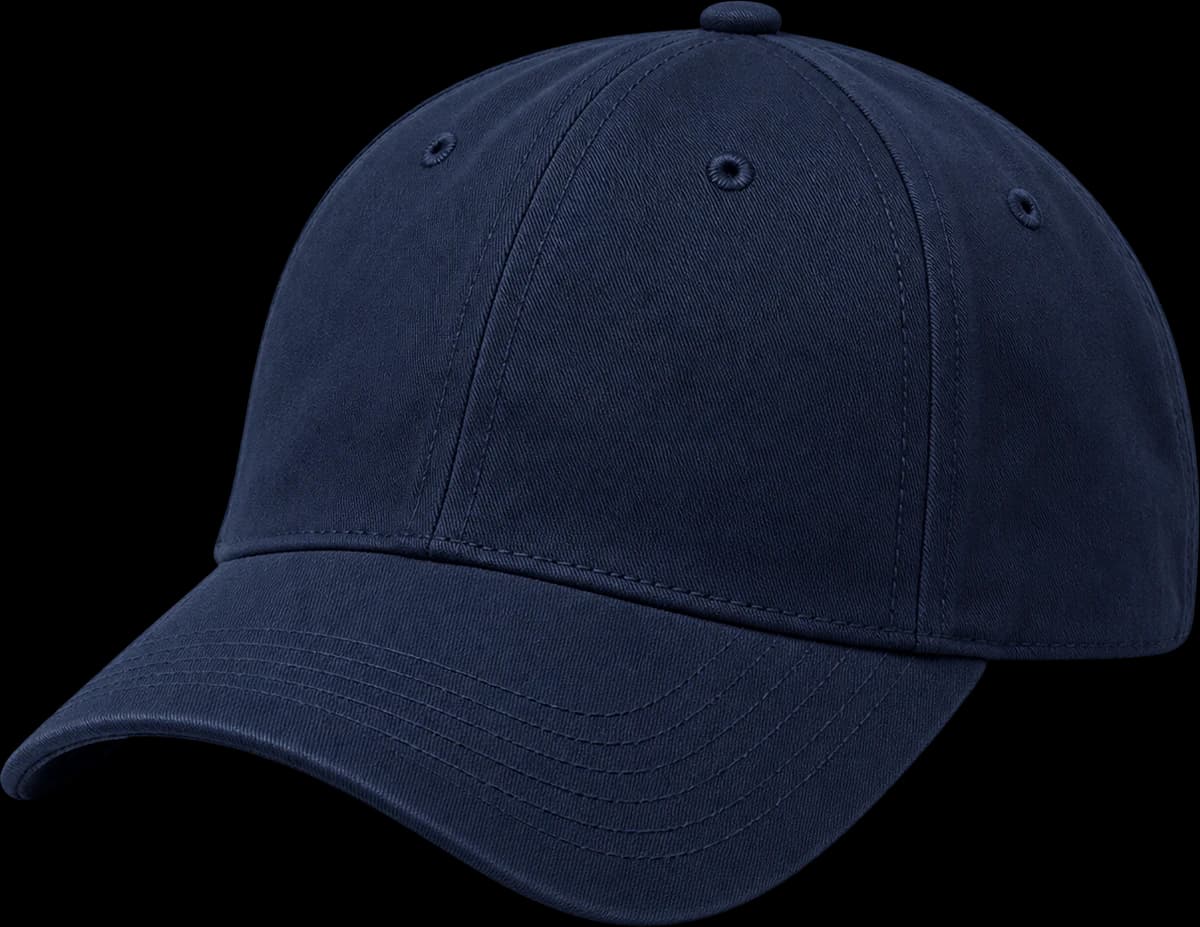
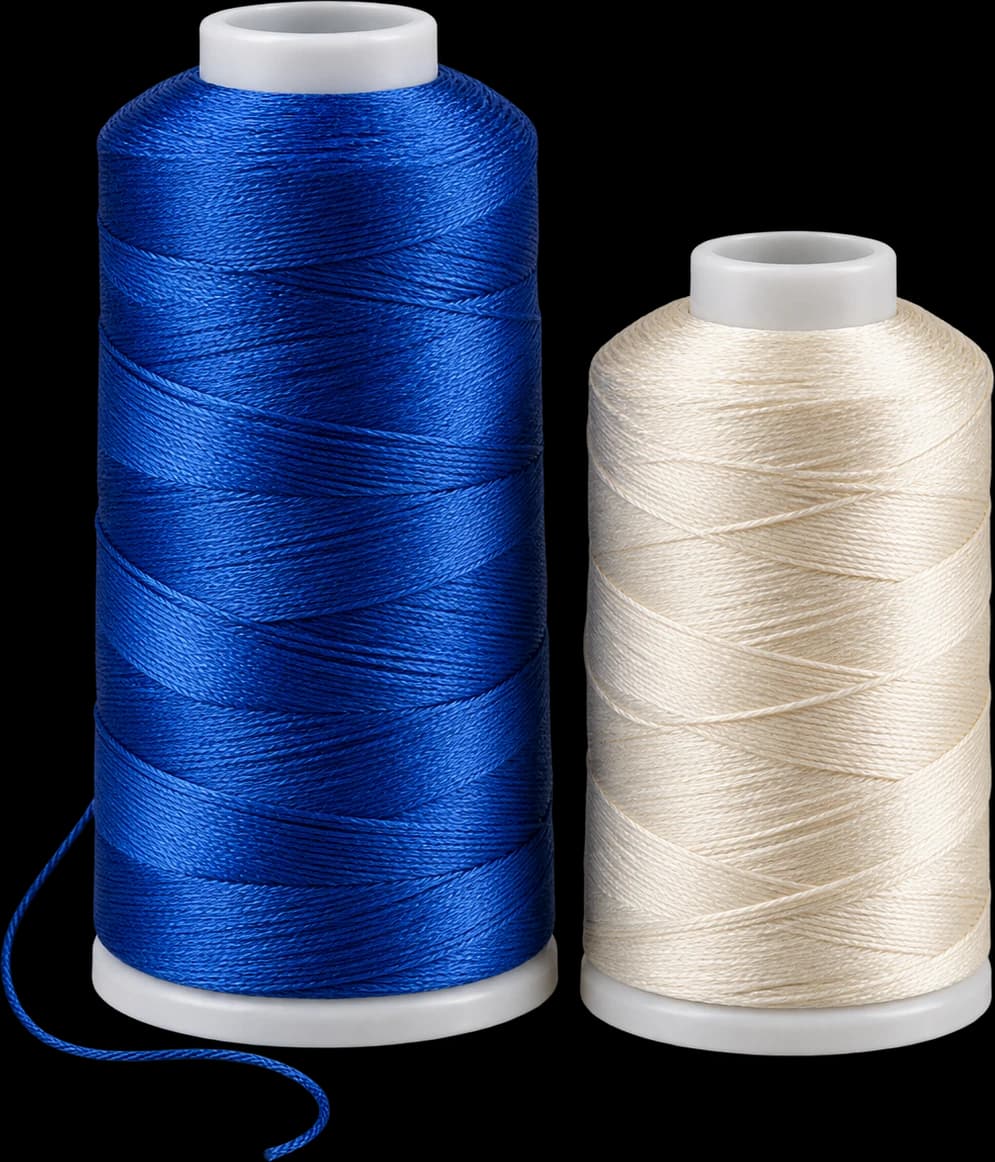
For a washed navy cap with a cream wordmark, separate three approvals: the navy base shade, fading at the seams, and the cream thread. If the first sample looks too pale at the brim, mark that area rather than requesting a darker hat overall. Keep crown depth and logo width unchanged while the finish is revised. This example is a way to write feedback, not a promise that every wash reference can be reproduced exactly.
Questions to settle before requesting a sample
Choose this direction when a broken-in surface and a soft front are part of the brand. If a rigid, upright logo area is more important, compare a structured twill cap before sampling. Ask whether the proposed decoration changes the front noticeably, how the chosen wash will be represented for review, and which physical reference will govern acceptable shade variation. Those questions are more useful than asking for a “premium vintage finish.”