
FORMBRIM / CUSTOM HEADWEAR COLLECTION

Every brand has
a signature shape.

Find yours. Eight hat families to develop through fabric, fit and the details that make it unmistakably your brand.

08 HAT FAMILIES32 DESIGN DIRECTIONSOEM / ODM
THE SHAPE STUDY01—08 / FOR YOUR BRAND
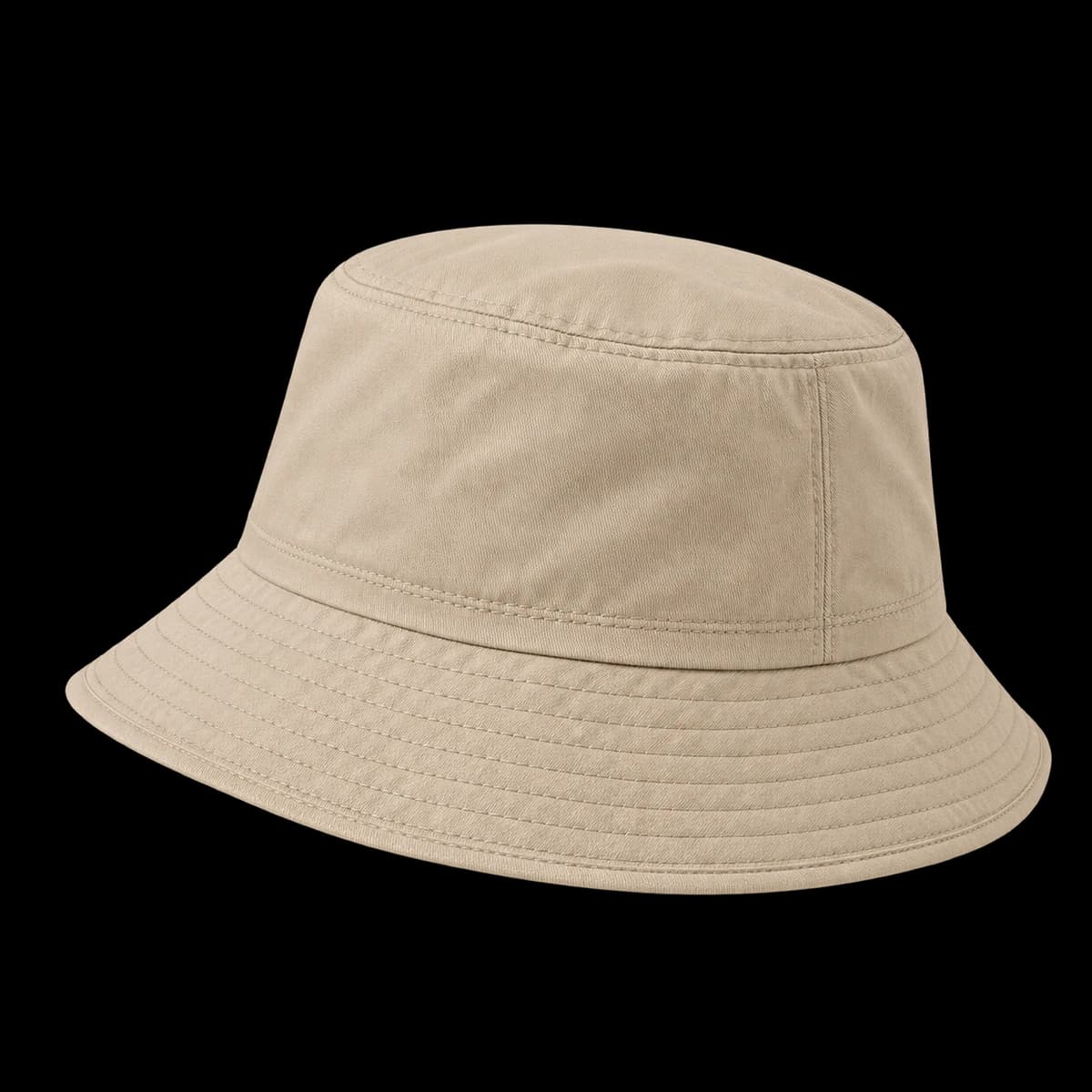
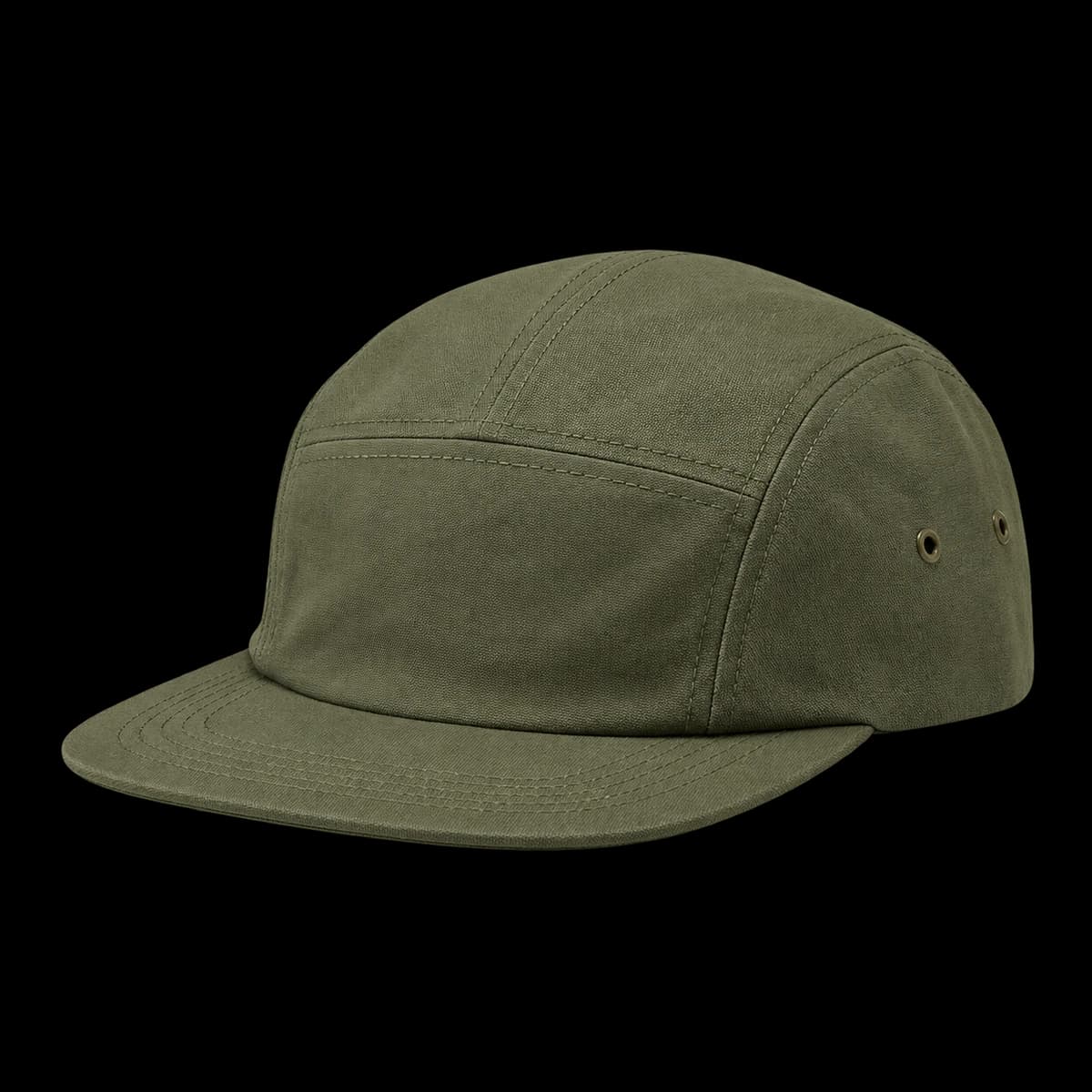
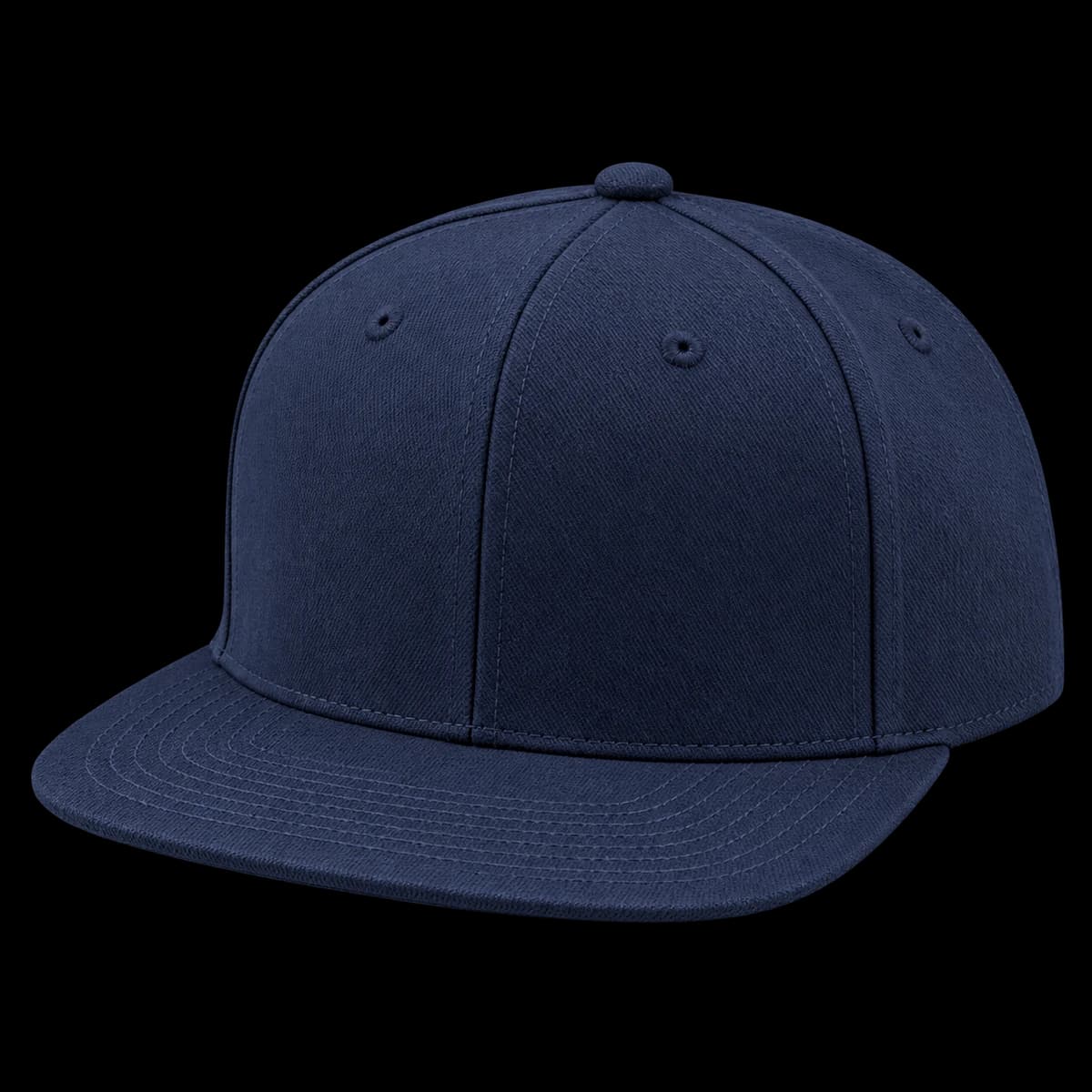
Navy curved-brim baseball cap design reference01 / Baseball caps ↗Sand bucket hat design reference03 / Bucket hats ↗Olive five-panel cap design reference04 / 5-panel caps ↗
A shape is the starting point.Find your family ↓
THE COLLECTION / EIGHT DISTINCT STARTING POINTS

Choose by shape.
Develop the details.

Open a family to explore its construction, or preview the four designs here. Each is a starting point for sampling, not a stocked product.

BEYOND THE SILHOUETTE

Choose a hat for its job.

Use these starting questions to narrow a custom headwear collection. Material, fit and branding still need to be resolved for each design.

Retail collections: illustrative hat shape

Retail collections

Build a recognizable fit across the range. Baseball caps and snapbacks offer different crown and brim directions; the closure alone does not define the silhouette. Compare front height, profile and the space available for artwork.

Specify label placement and the inside finish alongside the visible branding. For several colorways, identify which components remain common and which change.

Explore the construction ↗
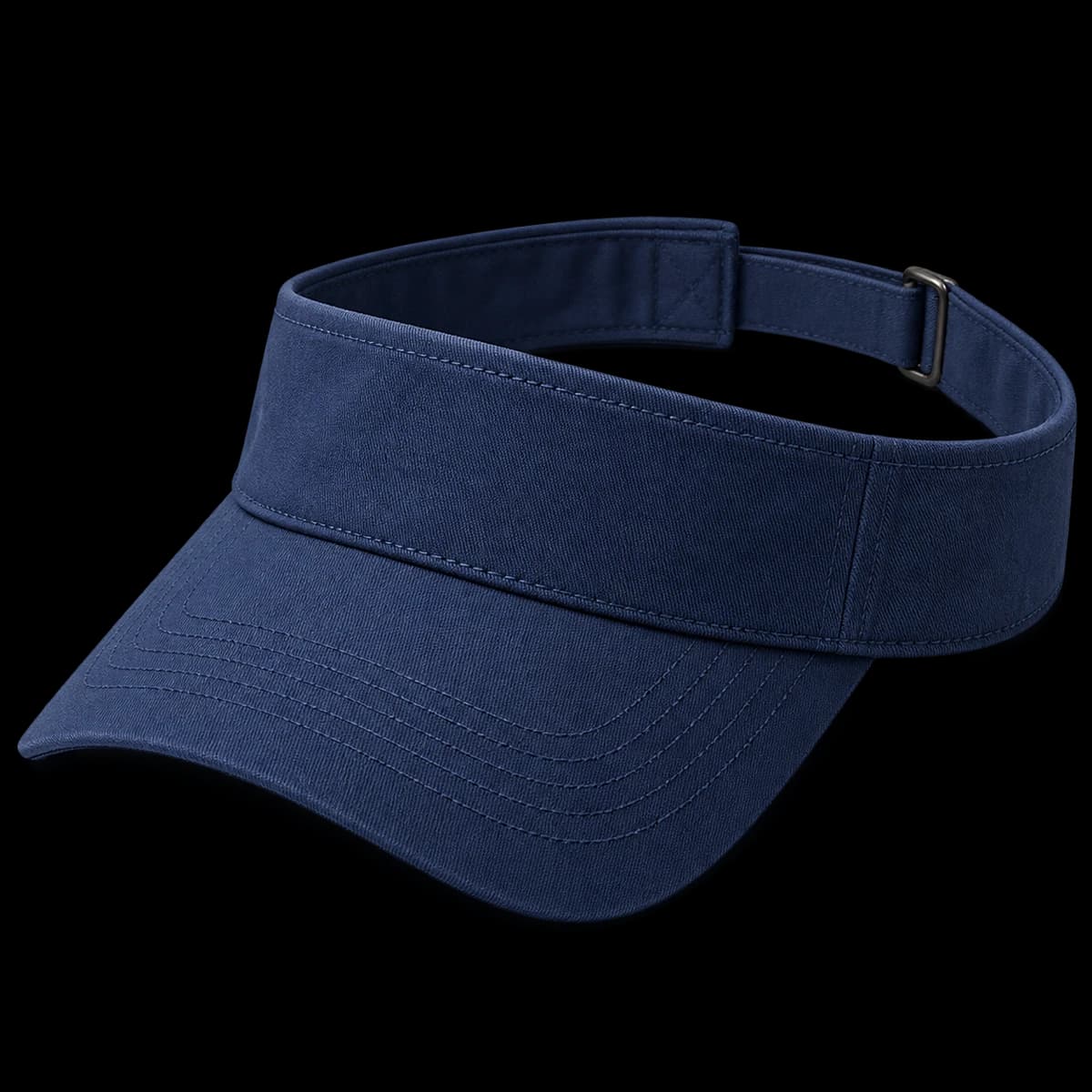
Events & everyday wear: illustrative hat shape

Events & everyday wear

For custom promotional hats, consider the wearer and the artwork together. A mesh trucker, a soft cotton cap and a visor have different coverage and decoration areas. Choose for the intended use rather than for the logo alone.

Show the logo at its finished size. Small lettering and detailed marks may need simplification; review the proposed treatment on a physical sample.

Explore the construction ↗
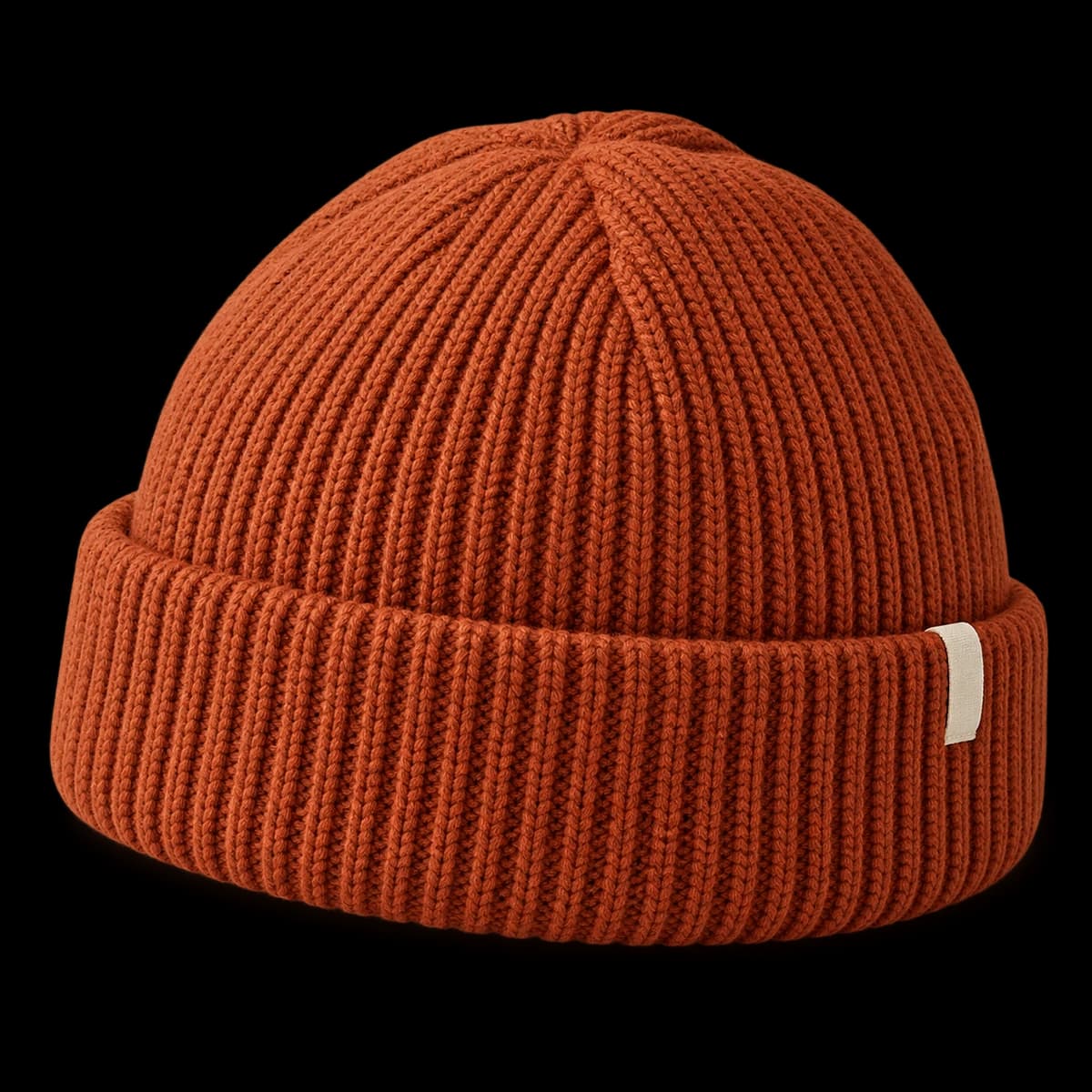
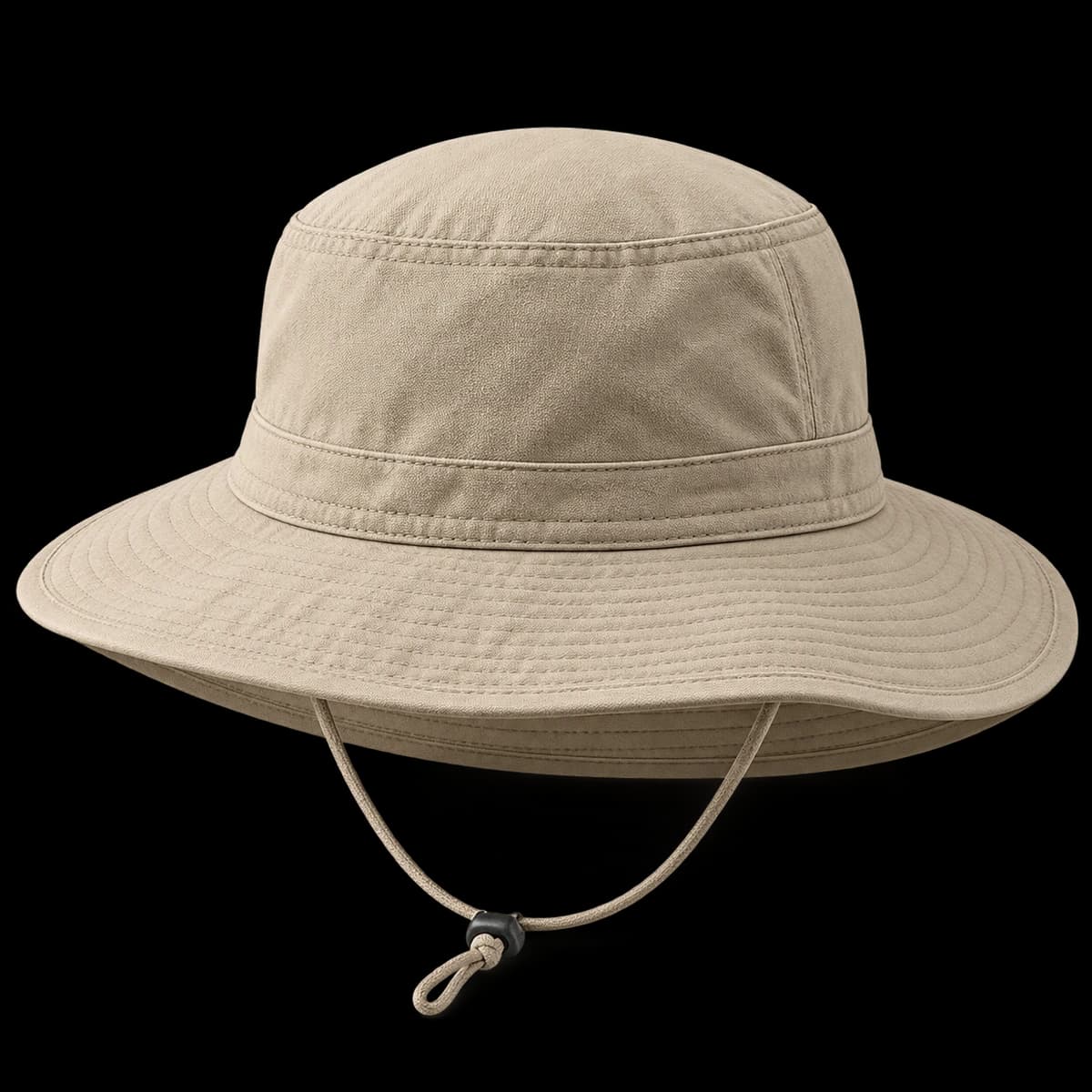
Outdoor & seasonal ranges: illustrative hat shape

Outdoor & seasonal ranges

Compare brim coverage, ventilation and adjustment for outdoor hats, or cuff depth and knit construction for beanies. A photograph cannot establish stretch, comfort or a performance rating.

If your brief requires a tested claim, state the requirement and ask what verification is available. Do not infer sun protection or water resistance from appearance.

Explore the construction ↗
Hat imagery illustrates design directions, not verified product performance.
Collection planning

A collection starts with a clear assortment.

Choose the designs you want to develop together. Give each style a role in the collection, then count its finished colorways separately. A shared logo does not combine different styles into one minimum order.

The core shape

Begin with the silhouette that best represents your brand. Resolve its fit, fabric and primary mark first; this becomes the visual reference for the rest of the collection.

The contrasting shape

Add another silhouette when it has a clear purpose: a mesh back, an all-around brim or a different panel layout. Carry selected colors or trims across the range without assuming the same fit specification.

The colorway

A colorway describes a complete finished combination. Record the crown, brim, decoration and trims together, so a two-tone cap is not confused with two separate colorways.

Choose at least one design to prepare a collection brief.

Planning only, not a quote or stock reservation. Each selected style and color requires at least 100 pieces. Sample quantities, pricing, shipping and final specifications are discussed separately.

Your design vocabulary

Design the whole hat. Not only the logo.

These choices belong in one specification. Start with the product silhouette, then describe the components that should carry your brand identity.

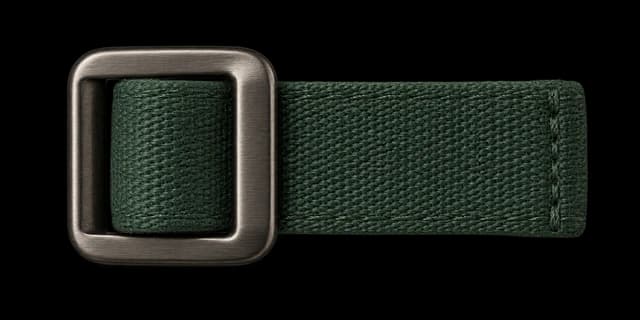
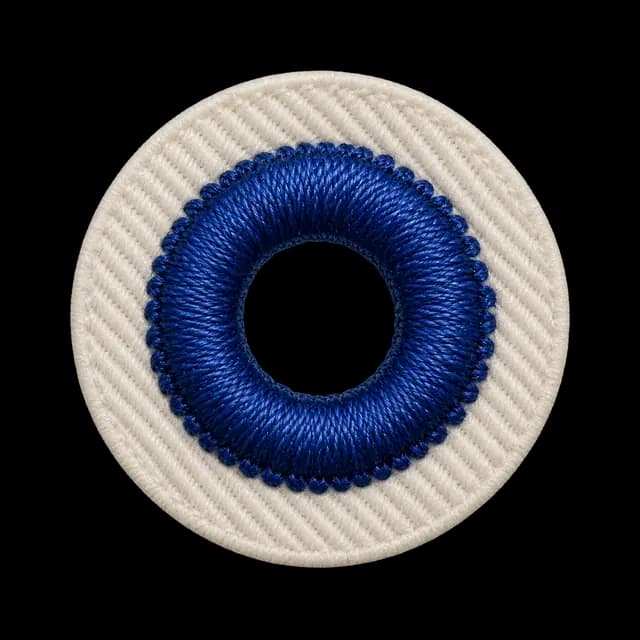
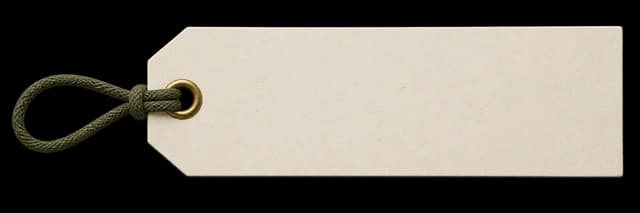
Generated construction study: cap components, color references and packing materials prepared as one quotation scope

One specification, four connected decisions.

Generated component illustrations; final construction is agreed through sampling.
The quotation should describe the complete hat, including the parts the customer does not see first.
Generated component study · construction and materials are agreed through sampling.
01 / Fabric & surface

Describe the hand, texture and appearance you want.

Use a fabric reference, composition request and color reference together. A material name alone does not establish weight, finish or performance. Any functional requirement needs its own agreed specification.

Supply: material reference + intended use.
02 / Crown & brim

Make the shape clear from more than one angle.

Share front, side and worn references. Identify crown structure, brim curve and the features you want to change. For bucket hats, include brim width and drape; for panel caps, show the panel arrangement.

Supply: reference views + annotated changes.
03 / Artwork & placement

Specify the mark as a physical part of the product.

State the preferred embroidery, print, label or patch direction, its finished size and where it sits. Fine details and lettering need to be reviewed on the selected material through sampling.

Supply: artwork version + size + position.
04 / Inside & retail identity

Carry the design through to the customer’s first touch.

Include the inside label, rear adjustment, hangtag and packaging in the brief. Identify which items change between styles or colorways and which should remain consistent throughout the range.

Supply: trim list + artwork + packing instructions.
Explore materials, decoration and placement
WORKED EXAMPLE / NOT A CUSTOMER CASE STUDY

Turning a washed cap reference into a sample brief.

This illustrative project shows how to describe a decision. It is not a completed customer order or a promise that every design uses the same process.

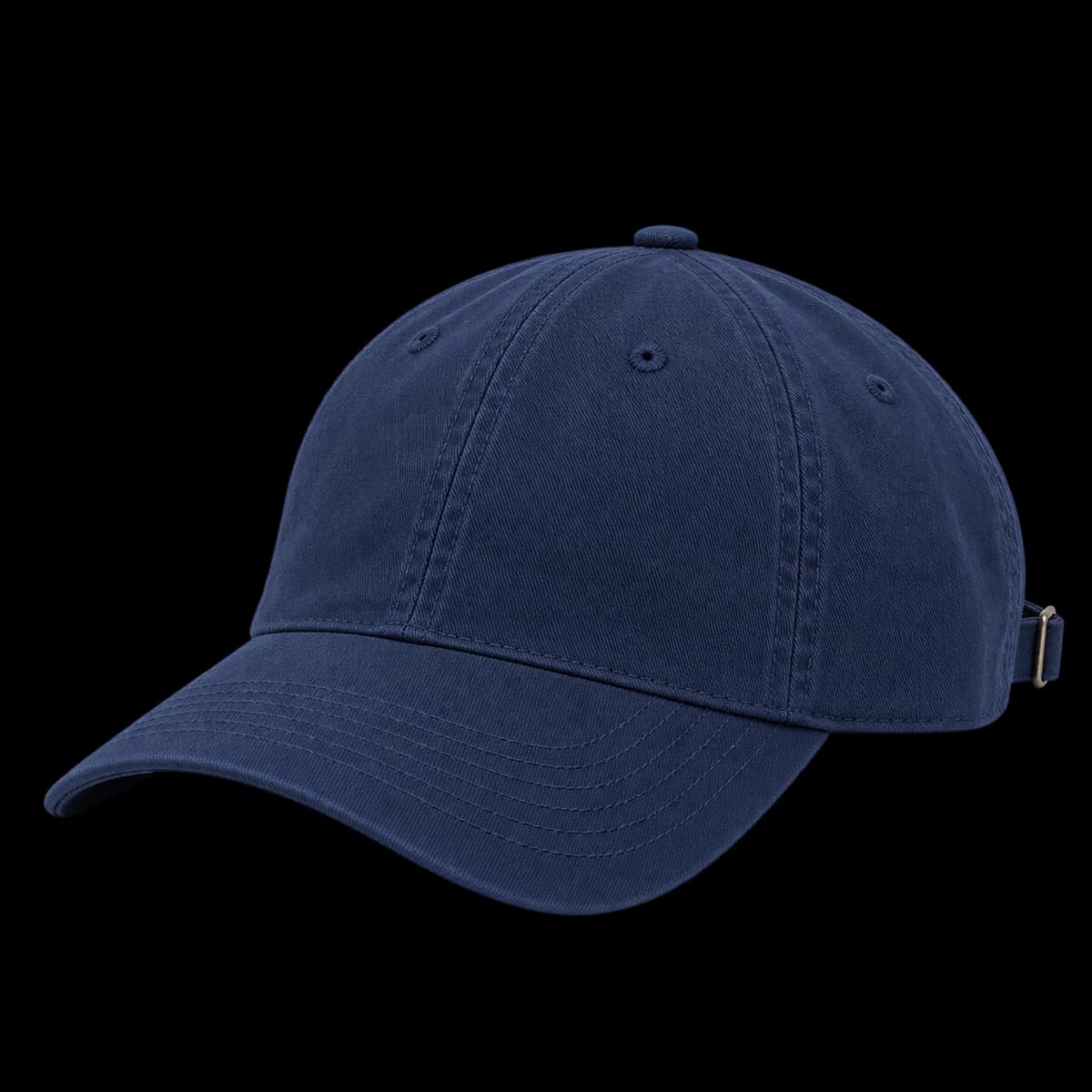
DC01 / DEVELOPMENT REFERENCEILLUSTRATIVE
Washed cap design reference, used to illustrate the sample review points
RETAIN Approved shape & fabric REVIEW Logo size & placement
01

The starting request

A clothing brand wants a relaxed navy cap with a small cream wordmark. “Like this photo” leaves the crown depth, wash, rear closure and logo size open. The brief separates those details: a worn side view for fit, a physical fabric reference for finish, original artwork at its intended size, and a rear view showing the strap.

02

The sample question

The logo mockup looks clear, but the small lettering still needs review on the actual fabric. Check it at finished size and inspect the surrounding crown for distortion. If the lettering is difficult to read, discuss a larger mark or simplified artwork; if the surface puckers, review the execution rather than approving the digital layout alone.

03

The revision note

“Keep the approved cap shape, fabric and closure. Use artwork revision B at the marked width and position. Review the lettering on the next sample.” Attach the marked photograph and identify the current sample. This gives the next review a specific comparison instead of restarting every decision.

04

The production record

Once the sample is approved, attach its identifier to the final specification. List each finished colorway and its quantity, then confirm inside labels, hangtags and packing. A second colorway needs its own component references; approving the navy sample does not automatically approve a different thread-and-fabric combination.

Build your own hat development brief ↗
The factory behind the collection

A product range needs a production plan.

FORMBRIM is based in Hangzhou, Zhejiang, China. Our factory supports OEM and ODM headwear development, with cutting, sewing, embroidery and printing capabilities. Align the complete order with the approved sample before bulk production.

Established
2016
Production lines
8
Employees
200+
Inspection
100%
Operator at a fabric cutting workstation
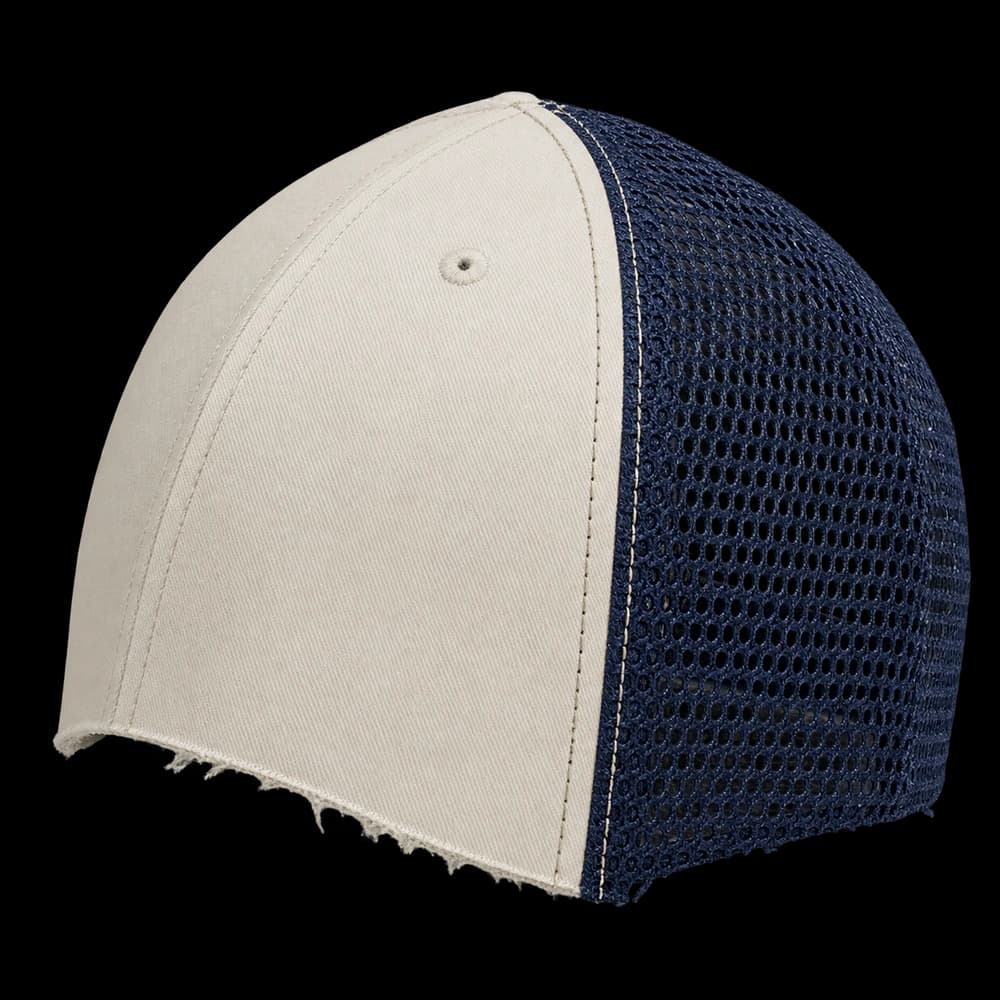
Illustrative cotton front and mesh junction with visible joining stitchesPanel & seam reference
01

Translate the design

Connect the reference silhouette with material direction, panel relationships and component colors. Discuss which details are carried forward and which need development.
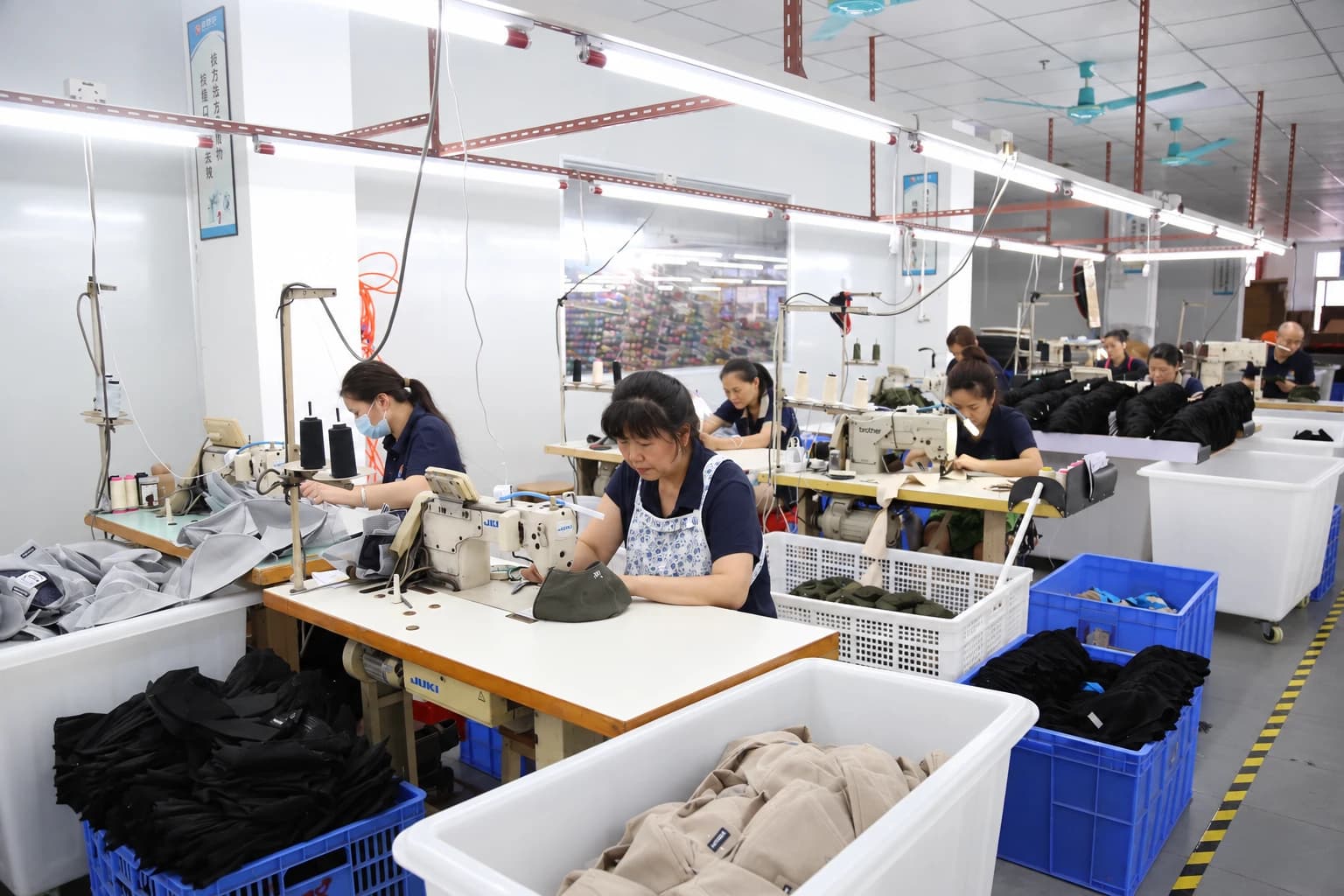
Operators sewing headwear at individual workstations
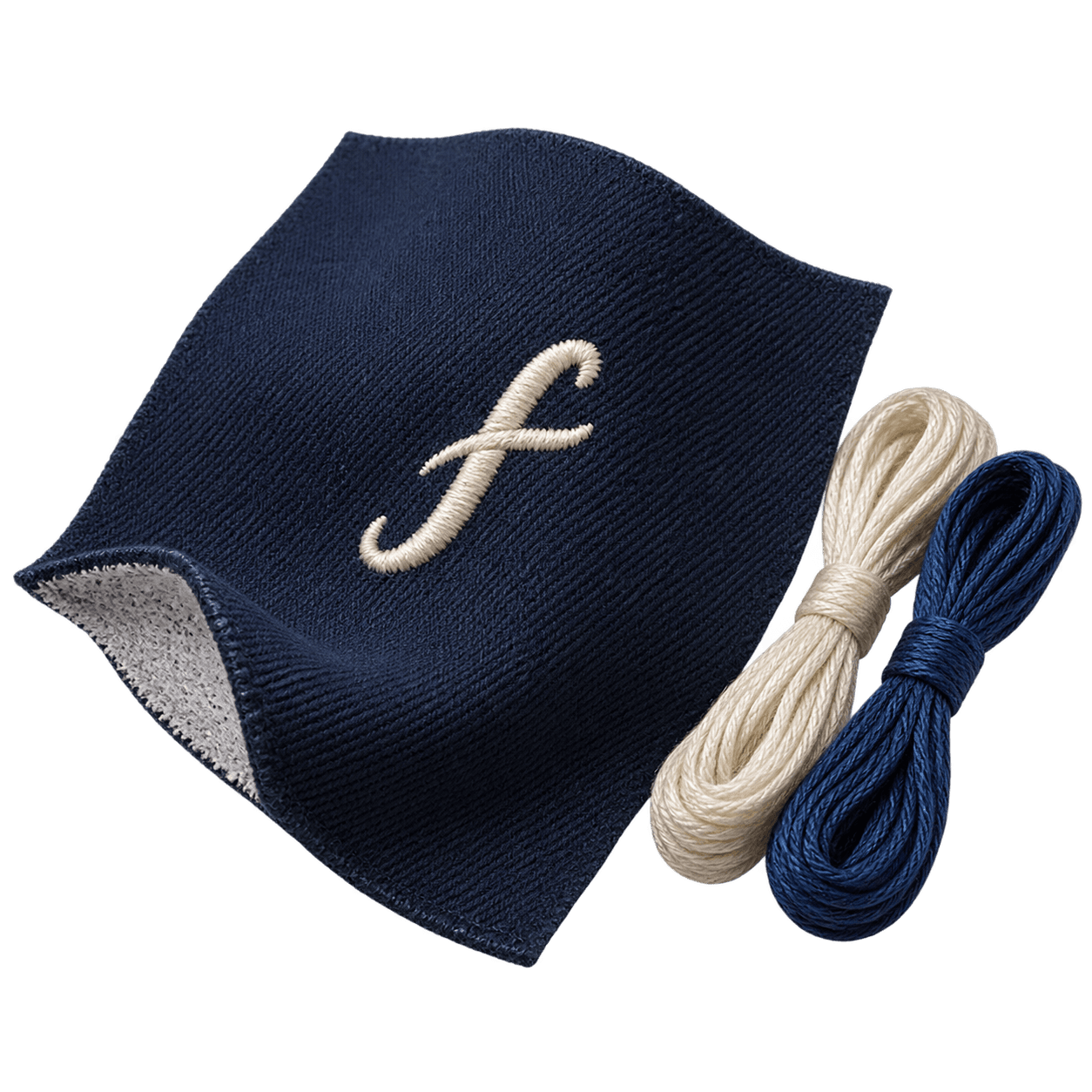
Illustrative embroidered cotton sample showing stitch texture and backingDecoration reference
02

Resolve the sample

Review the assembled hat, decorated surfaces and inside finish together. Keep an annotated change list so the next discussion refers to one clear version.
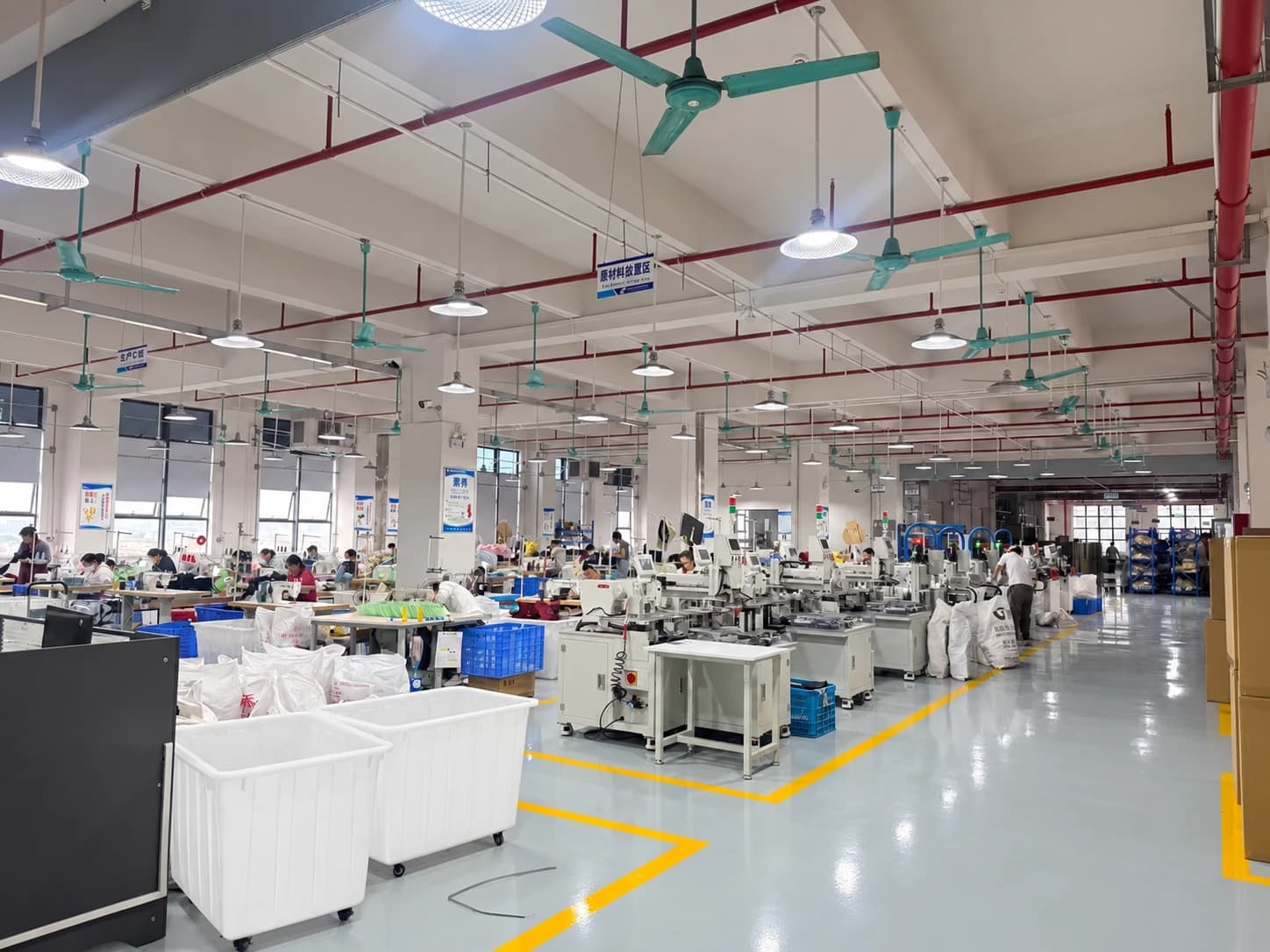
Sewing workstations across a factory floor
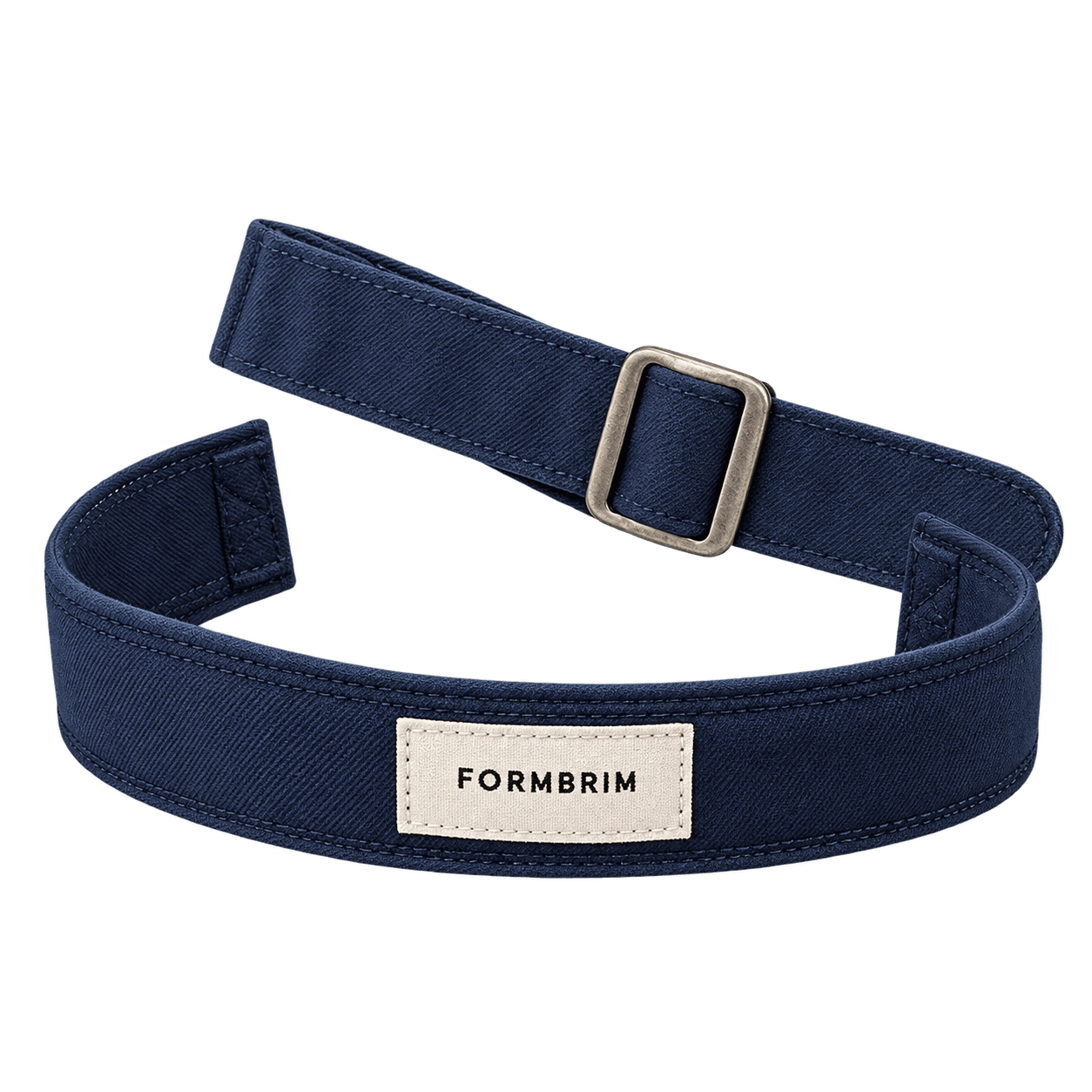
Illustrative woven inside label, sweatband and adjustable strapInside & closure reference
03

Inspect every piece

We carry out 100% inspection. Agree the sample reference, inspection points and handling of any discrepancies with our team for your order.

Factory photography from our production, sample and storage spaces.Explore the factory and its processes
Before requesting a quote

Give every quote the same brief.

A useful comparison starts with the same product requirements. Keep material, decoration, trims, quantities and destination together when discussing your order.

01Product scope
List each style, its finished colorways and pieces per colorway. Separate the sample request from the bulk order.
02Development scope
Identify existing artwork and references, the changes you need and any decisions you want us to develop with you through ODM.
03Delivery context
Share the destination and target arrival date. Production completion and arrival are different milestones; transport and review time need separate discussion.
04Commercial clarification
Ask what is included in the proposed price, what remains to be confirmed, and whether sample, packaging or transport items are quoted separately.
Prepare my enquiry
YOUR COLLECTION / OUR NEXT CONVERSATION

Make this shape your starting point.

Describe the design you are considering and the changes you would like to make. We can discuss material, branding and the sample brief together.
Project brief
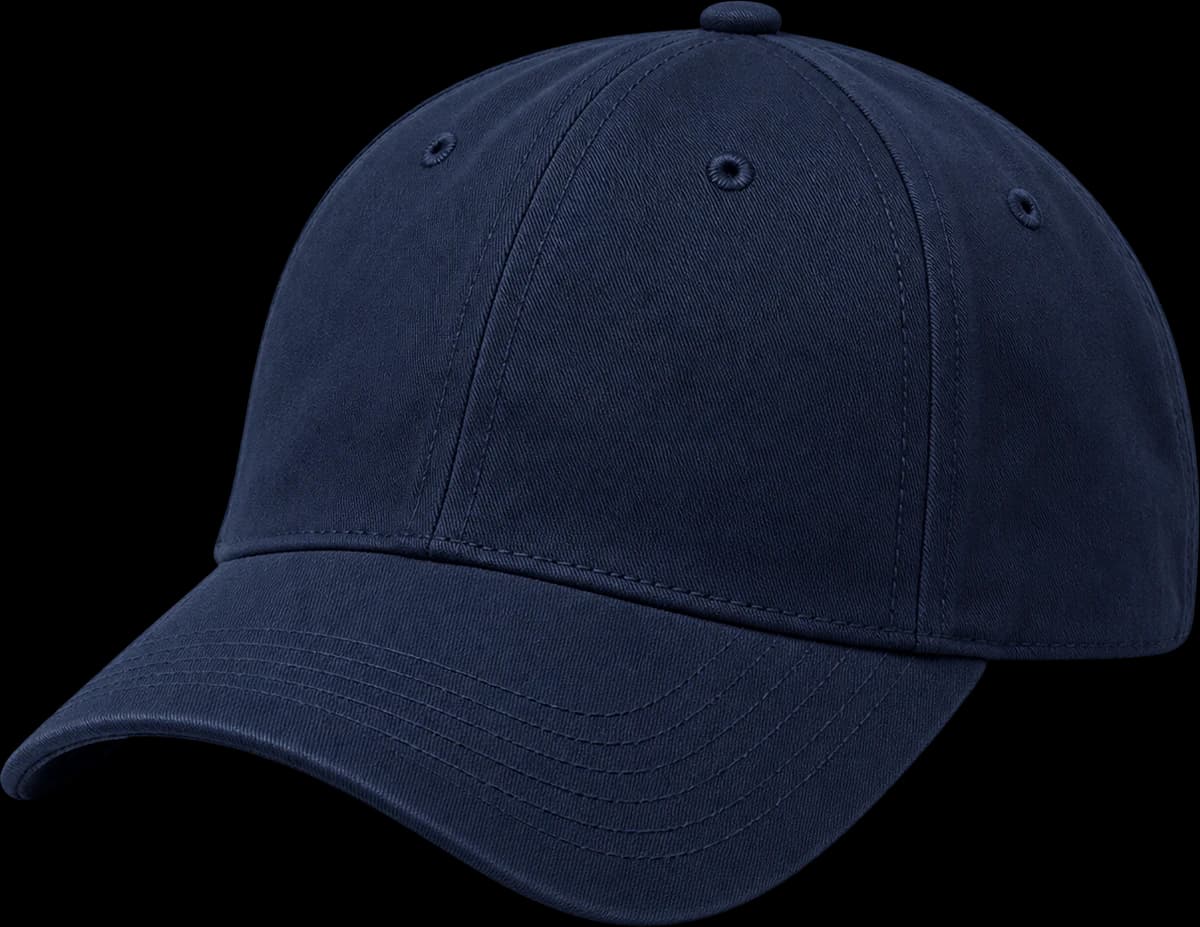
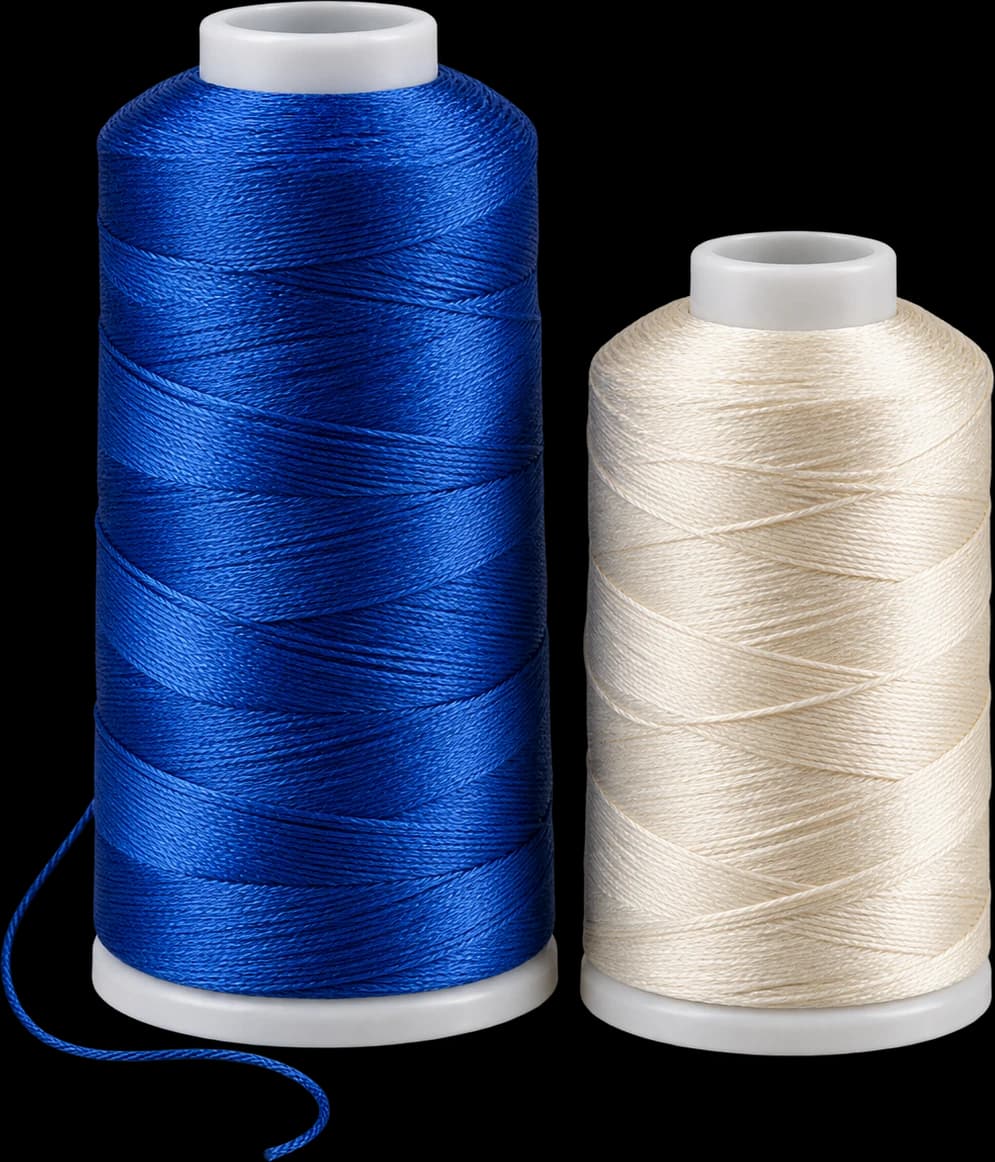
Generated unbranded navy cotton baseball capGenerated cobalt and ivory embroidery thread spools
FORMBRIMBaseballOEM / ODM

Bring your shape, artwork and quantities together. Generated component references.

YOUR NEXT CONVERSATION
  1. Chosen silhouette or design
  2. Changes to fabric and artwork
  3. Quantity for each color
MOQ
100 pieces per style, per color
Sample
7–10 working days
Production
30–45 working days

Prefer a direct conversation?

WhatsApp +86 158 0073 8029[email protected]

Fields marked * are required. Other details can be decided together.

MOQ: 100 pieces per style, per color. List different styles and color quantities in your project description.
Share an http(s) link to your artwork or tech pack and check that we can open it. This form accepts links, not file uploads.
Continue on WhatsApp

Your filled-in details will open in WhatsApp. Review them there before sending.

WhatsApp