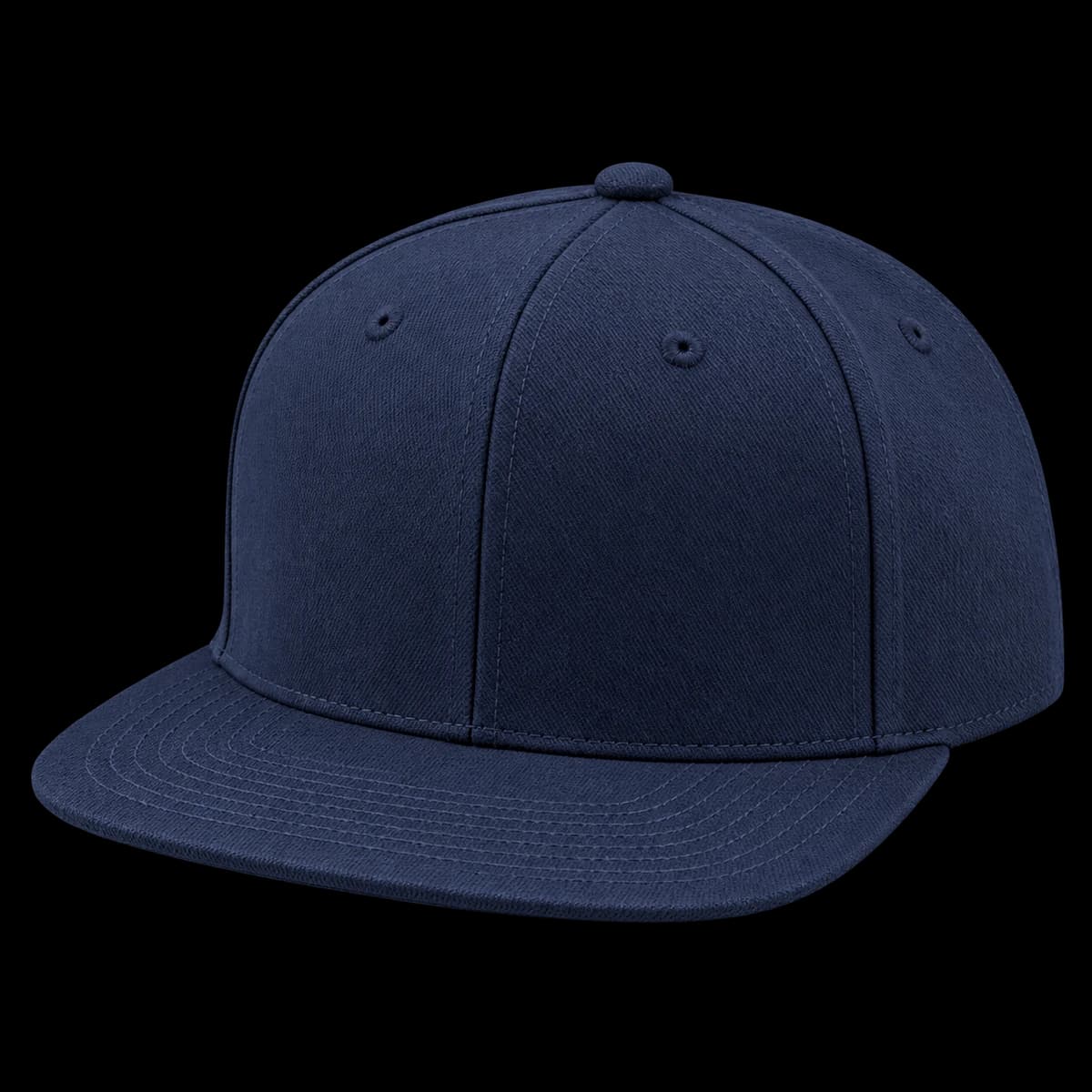

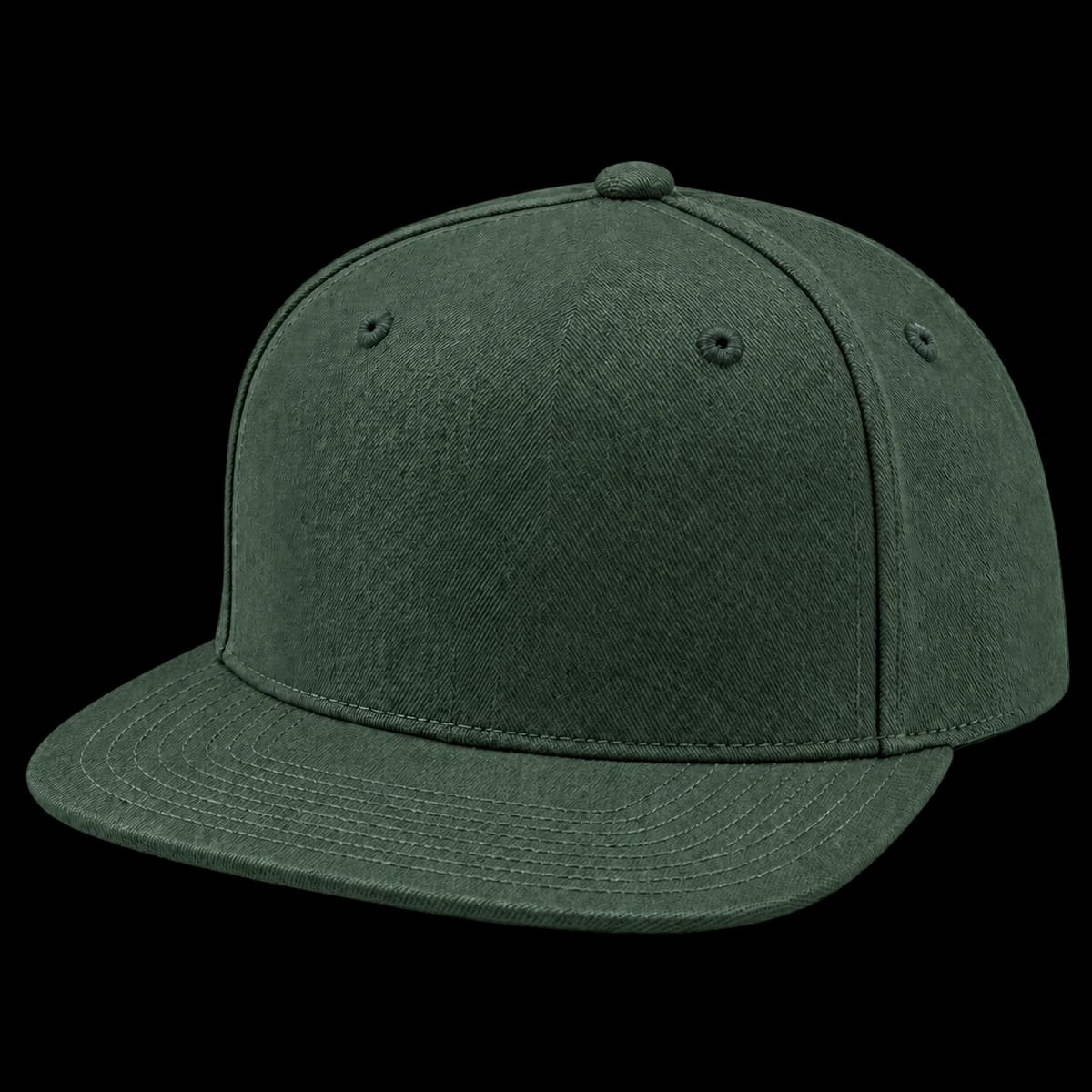
Five-panel map
Show the intended five-panel layout. A panel count alone does not establish the front height or the relationship of the side pieces to the top.
Supply front, side and top references so the factory can see how the panels meet. Identify whether the front should stand upright or slope back. A panel count does not define those angles. If a reference uses a different closure, separate the shape you want from the rear construction you intend to change.
Front graphic margins
Place the graphic on the front at its intended dimensions. Use the uninterrupted panel deliberately and leave enough room around the edges.
An uninterrupted front gives artwork a clear surface, but the usable area still curves when worn. Mark the finished logo boundary and its distance from the brim seam. Review the design on the sample without enlarging the photograph. Large empty margins can be intentional; they do not need to be filled with more embroidery.
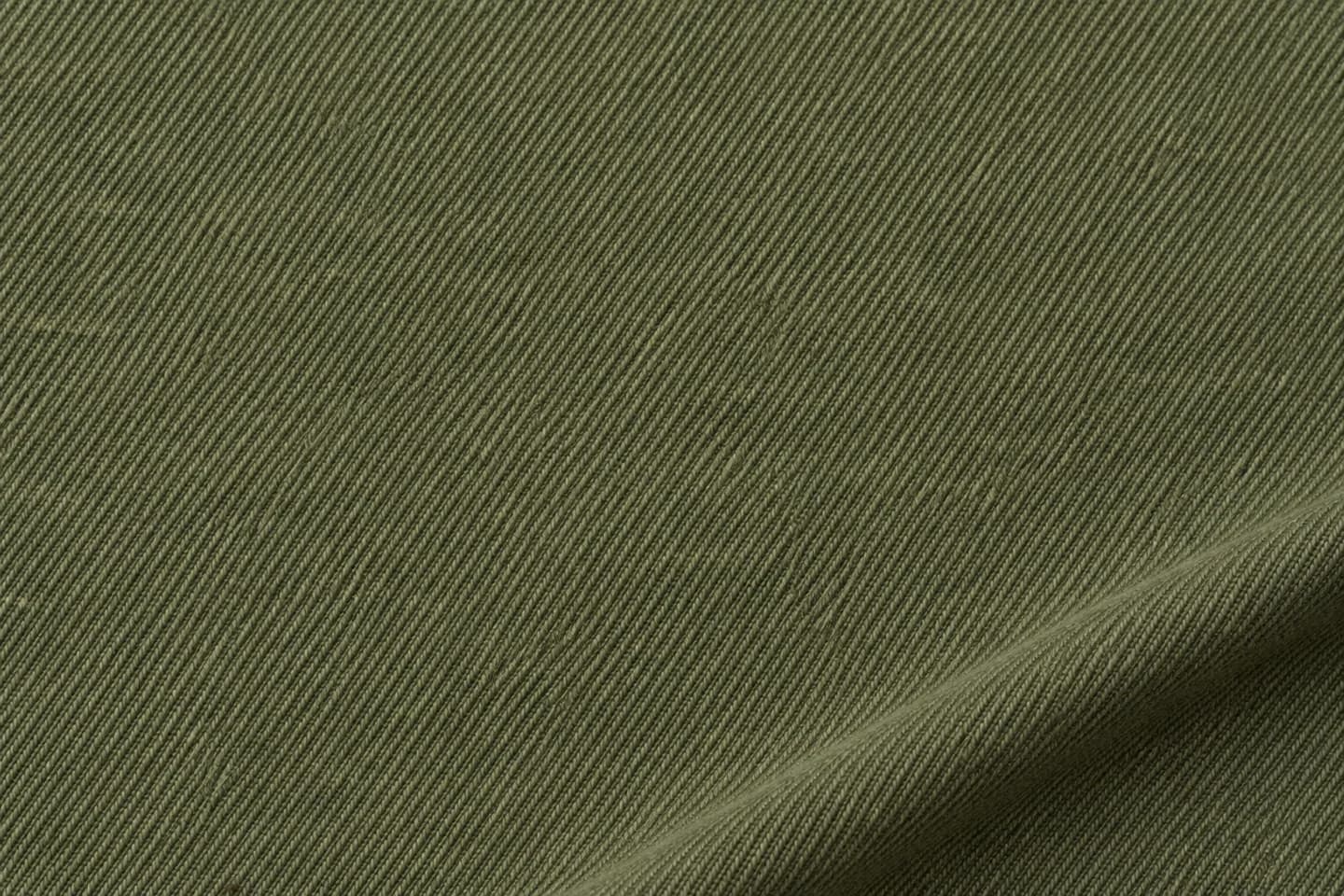
Name the composition, weight and finish you require. Compare the cloth and decorated sample together.
Illustrative texture; not a certified fabric specification.Structured side profile
Define the contrast between the firm front and the rest of the crown. Check the side silhouette rather than relying only on a straight-on view.
Compare the supported front with the side and top panels. If it looks too rigid, describe whether the concern is the feel, angle or height. Those are different revisions. Keep the visor projection consistent during shape review so a change in one part does not hide a mismatch in another.
Rear and inside finish
Review the snap, rear opening and inside label together. Confirm that the finished sample reflects the structured snapback reference rather than a soft camp shape.
Look at the snap attachment and inside band at the chosen setting. Minimal exterior branding makes finishing details more noticeable, not less relevant. Check rear symmetry and label position and record the complete colorway, including any otherwise inconspicuous stitching or underside color.
A practical buying example
For a small centered symbol, a buyer may choose a seam-free front but want the upright profile of a snapback. A soft camp-cap reference alone would communicate the wrong construction. Pair the panel drawing with a supported side-profile reference, then review the symbol placement on that finished shape. Do not approve the flat artwork layout as a substitute for the crown.
Questions to settle before requesting a sample
Choose this pattern for its front surface and silhouette together. Ask how it differs from the proposed camp-cap option, where the top panels meet, and which sample establishes front firmness. Keep front artwork deliberately sized rather than using the absence of a seam as a reason to enlarge it.